
Cloud Migration in the ATM Industry: Key Security Considerations
As the ATM industry increasingly adopts cloud computing to enhance operational efficiency and customer service, it must navigate the complex security landscape associated with this transition. Cloud migration offers significant benefits, including scalability, cost savings and enhanced security measures. However, it also introduces unique challenges, particularly around data security, regulatory compliance and service availability. ATM operators can achieve a secure and efficient cloud migration by understanding these challenges and leveraging cloud technology's benefits.
Challenges of Cloud Migration in the ATM Industry
Challenge #1: Data Security and Privacy
ATMs handle sensitive financial data, making data security a critical concern during cloud migration. The complexity of migrating sensitive data to the cloud involves safeguarding it from unauthorized access, data breaches, and potential cyberattacks.
What to Consider:
- Encryption: Ensure data is encrypted both in transit and at rest to protect against unauthorized access.
- Access Controls: Implement strict access controls to ensure that only authorized personnel can access sensitive information.
- Regular Audits: Conduct regular security audits to identify and rectify potential vulnerabilities.
Read more on Data Security and Cloud Migration
Challenge #2: Service Availability and Reliability
ATMs are expected to provide continuous service, and reliance on cloud services introduces potential risks, including service outages beyond an organization's control. Ensuring consistent service availability requires robust service level agreements (SLAs) and contingency planning.
What to Consider:
- Redundancy and Scalability: Leverage cloud infrastructure for redundancy and scalability to maintain continuous service availability.
- Service Level Agreements (SLAs): Establish robust SLAs with cloud service providers to ensure agreed-upon uptime and response times.
- Contingency Plans: Implement contingency plans and disaster recovery strategies to minimize service disruptions.
Read more on ATM Planning, Preparation and Deployment
Challenge #3: Compliance and Regulatory Requirements
The ATM industry is subject to stringent regulations, including the Payment Card Industry Data Security Standard (PCI DSS). Migrating to the cloud requires organizations to ensure that cloud service providers (CSPs) comply with these regulatory standards, necessitating continuous monitoring and regular audits.
What to Consider:
- Requirements: Familiarize oneself with the latest ATM compliance standards, including PCI mandates, to meet all legal and security requirements.
- Compliance Dates: Keep track of important deadlines for PCI compliance to avoid penalties and ensure ATMs remain secure.
- Collaboration with Providers: Work closely with cloud service providers to ensure their services align with regulatory requirements.
Learn more about PCI DSS Compliance
How TSS Can Help
Navigating complex regulatory landscapes can be challenging, but TSS has the expertise and resources to guide ATM operators through every step of the compliance journey. With an in-depth understanding of PCI DSS requirements and other industry standards, TSS helps organizations:
- Interpret and Implement Regulatory Requirements: TSS stays current with the latest compliance mandates, ensuring that your ATM operations are always aligned with current legal and security requirements.
- Track and Manage Compliance Dates: TSS’s compliance management solutions include proactive tracking of important deadlines, ensuring you never miss critical compliance updates.
- Seamless Collaboration with Cloud Providers: TSS works closely with your chosen cloud service providers to guarantee that their services comply with PCI DSS and other regulatory standards. This ensures a secure and compliant cloud migration, reducing risk and enhancing operational efficiency.
By partnering with TSS, financial institutions can confidently navigate the complexities of cloud migration while adhering to industry regulations.
For more information, see Future-Proofing Your ATMs: Why Upgrading Outdated Technology is a Security Imperative.
Contact TSS today to learn how we can support your cloud compliance needs.
Benefits of Cloud Migration in the ATM Industry
Benefit #1: Enhanced Cybersecurity Measures
Cloud service providers have made significant investments in cybersecurity, including advanced threat detection, regular security updates, and robust encryption protocols. Migrating ATM operations to the cloud can leverage these enhanced security measures, providing a fortified defense against cyber threats.
What to Consider:
- Advanced Threat Detection: Utilize cloud-based threat detection systems for real-time monitoring of security incidents.
- Regular Security Updates: Ensure cloud service providers implement regular security updates to protect against evolving cyber threats.
- Multi-Layered Security: Deploy multi-layered security measures for comprehensive protection, including firewalls and intrusion detection systems.
Discover Enhanced Security with Cloud Migration
Benefit #2: Increased Service Availability and Redundancy
Cloud migration enhances service availability through scalable resources and built-in redundancy. By leveraging cloud infrastructure, ATM operators can ensure continuous service, even during maintenance or unexpected disruptions.
What to Consider:
- Continuous Service: Ensure uninterrupted ATM services to enhance customer experience and trust.
- Scalable Resources: Utilize cloud platforms to dynamically scale resources during peak demand, preventing system overloads and downtime.
- Operational Resilience: Implement built-in redundancy and failover systems to minimize the impact of hardware failures or network issues.
Read more on ATM Planning, Preparation and Deployment
Benefit #3: Enhanced Incident Response and Recovery
Cloud integration can significantly improve incident response capabilities by enabling real-time threat detection, centralized logging, and rapid deployment of security patches. A well-orchestrated incident response plan allows for quick containment of security incidents, minimizing downtime and protecting sensitive customer data.
What to Consider:
- Rapid Response: Quickly identify and mitigate security incidents to minimize impact.
- Centralized Logging and Analysis: Implement centralized logging systems to monitor and analyze security events across cloud environments.
- Post-Incident Analysis: Conduct thorough post-incident analyses to understand the breach and implement measures to prevent future occurrences.
Benefit #4: Cost Efficiency and Scalability
Migrating to the cloud allows ATM operators to scale resources based on demand, reducing costs associated with maintaining physical infrastructure. This flexibility enables better budget management and operational efficiency.
What to Consider:
- Scalable Resources: Leverage cloud infrastructure’s scalability to adjust resources based on demand fluctuations, reducing costs.
- Operational Efficiency: Utilize cloud-based tools and automation to enhance operational efficiency and reduce manual interventions.
- Cost Management: Monitor and optimize cloud usage to ensure cost-effective operations and prevent overspending.
Source: ATM Industry Association (ATMIA)
Balancing Security Challenges and Cloud Benefits
Cloud migration presents the ATM industry with a strategic opportunity to enhance operational efficiency, scalability, and security. However, it also introduces complex challenges that require meticulous planning and proactive security measures. ATM operators can achieve a secure and successful cloud migration by understanding the potential risks and leveraging the significant benefits of cloud technology.
With extensive experience in cloud security, regulatory compliance, and operational efficiency, Trusted Security Solutions offers end-to-end solutions to protect sensitive data, ensure continuous service availability, and maintain compliance with industry standards like PCI DSS. Our team of experts collaborates closely with your organization and cloud service providers to deliver seamless cloud migration strategies that enhance security and efficiency while minimizing risks.
Contact TSS today to learn how our industry-leading solutions can empower your organization to securely and efficiently navigate the complexities of cloud migration in the ATM industry.
To stay updated on the latest industry trends and security best practices, visit trustedsecuritysolutions.com.

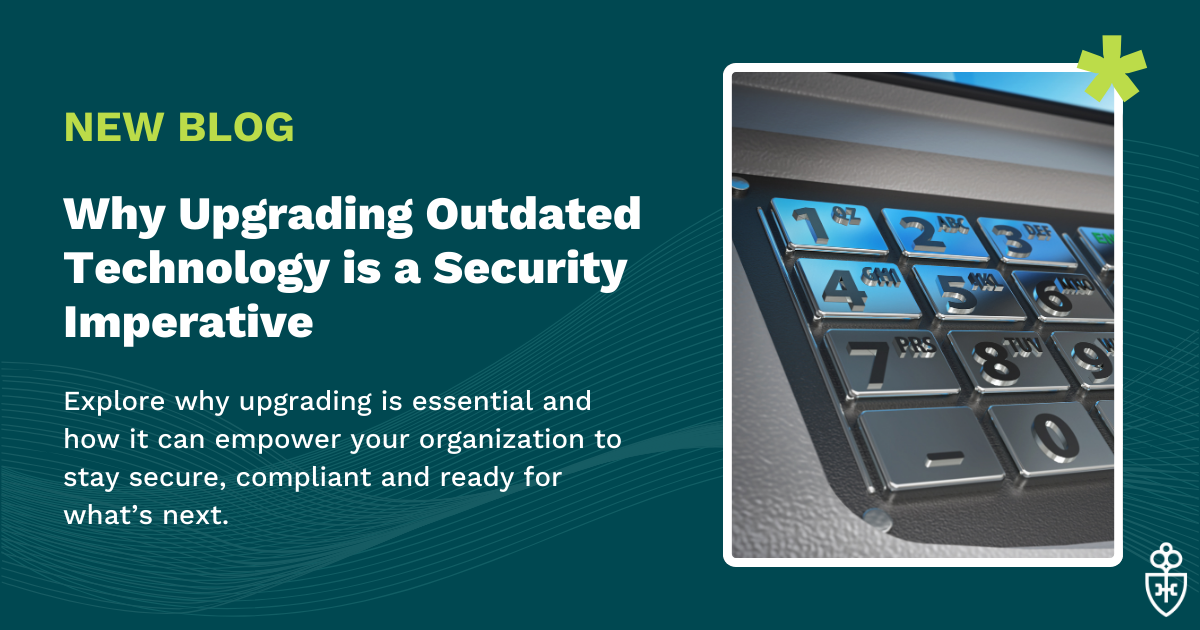
Future-Proofing Your ATMs: Why Upgrading Outdated Technology is a Security Imperative
ATM security isn’t what it used to be, and we’ve seen how fast the security landscape changes. With rapid technological advancements, rising security threats and ever-evolving compliance standards, sticking with outdated ATM technology can put your entire operation at risk.
At Trusted Security Solutions, we understand that upgrading your ATM network can seem daunting, but it’s a challenge we’re here to help you meet head-on. Let’s explore why upgrading is essential and how it can empower your organization to stay secure, compliant and ready for what’s next so you can protect your business, your customers and your peace of mind.
Enhanced Security: The Power of Remote Key Loading (RKL) over Manual Key Loading
Manual Key Loading (MKL) has been a foundational step in ATM security, offering a structured method for managing encryption keys. While it provides an adequate solution, MKL is inherently time-intensive and error-prone. Remote Key Loading (RKL), however, takes ATM key management to the next level, offering streamlined processes, better efficiency, and enhanced security.
Why Upgrade?
Modern ATMs support Remote Key Loading (RKL), a technology that allows cryptographic keys to be securely loaded over a network without physical intervention. RKL significantly reduces the risk of key exposure and eliminates the need for technicians to manually load keys at each ATM location. This not only enhances security but also improves operational efficiency.
How It Helps You:
- Reduced Risk of Human Error: Automated processes minimize mistakes
- Lower Operational Costs: No more on-site key-loading visits
- Enhanced Security Standards: Stronger protection against cyber threats and physical tampering
Think of RKL as a digital fortress for your ATM keys—invisible to intruders but always at your fingertips. Our A98 Remote Key Loading System is designed to provide dependable and secure RKL solutions, ensuring that your encryption keys remain protected and compliant with industry standards. Investing in modern security now can save you from headaches later.
Compliance Requirements: Meeting the TR-31 Standard
Legacy ATMs may not meet the latest compliance standards, particularly when it comes to key management and encryption. One critical requirement on the horizon is TR-31 compliance.
What is TR-31?
This standard dictates how encryption keys are formatted and managed securely. It ensures that key management practices across ATM networks are standardized and robust, making it harder for malicious actors to exploit vulnerabilities.
Why Upgrade?
- Avoid Penalties: Non-compliance can lead to fines and reputational damage
- Future-Proof Security: TR-31 compliance positions your network to handle upcoming regulations smoothly
- Customer Trust: Show your customers that their data is protected with the latest standards
Upgrading your ATM network to support TR-31 isn’t just advisable; it’s essential. Modern key management solutions, such as our A98 Key Management Platform, are designed to simplify compliance with TR-31 and other evolving standards. With our expertise and solutions, you can ensure your ATM network stays secure and compliant.
Preparing for the Future: Supporting Tomorrow’s Technology
As digital threats evolve, older ATM systems struggle to keep up with new technologies. Lacking the flexibility to integrate with new security protocols or the adaptability to support cloud-based services and AI-driven security solutions, legacy networks tend to create vulnerabilities and operational inefficiencies.
Why Upgrade:
Modernized ATMs are designed with the ability to adapt to technological advancements. Upgrading your ATM infrastructure today sets the stage for:
- Seamless Integration: Designed to integrate with future innovations, such as AI-driven security features and cloud-based solutions
- Operational Efficiency: Up-to-date hardware and software reduce downtime, maintenance costs, and the risk of unexpected failures
- Enhanced User Experience: Faster, more secure transactions improve customer satisfaction and loyalty
How It Helps You:
- Scalability: Easily integrate future upgrades without overhauling your system
- Efficiency: Streamline operations with cutting-edge technology
- Resilience: Protect against emerging threats before they become widespread
Investing in key management solutions like our A98 Comvelope System ensures your institution can easily adapt to future upgrades while maintaining robust security. Upgrading today means fewer headaches tomorrow. It’s paving the road ahead so your ATM network can cruise smoothly into the future.
How to Get Started with Your ATM Upgrade
- Assess Your Current System: Conduct a thorough audit of your ATM infrastructure, including hardware, software and key management practices
- Identify Compliance Gaps: Ensure your systems are aligned with TR-31 and other regulatory standards
- Plan for Remote Key Loading: Evaluate the benefits of RKL and consider implementing a solution like our A98 Remote Key Loading System
- Partner with Experts: Work with our trusted team who offers personalized expertise and responsive support
The Trusted Path Forward
The challenges facing ATM networks are becoming more complex. From cyber threats and quantum computing to new compliance standards like TR-31, the risks of relying on outdated technology are too great to ignore.
At Trusted Security Solutions, we’re here to guide you through every step of upgrading your ATM systems, supporting you with dependable solutions, responsive support and personalized expertise. Our tools make the process reassuringly seamless and secure.
With the right technology, you can protect your customers, comply with regulations and stay ahead of emerging threats. Don’t wait until it’s too late—future-proof your ATM network today.
Contact us to learn how we can help you upgrade with confidence and security.

Post-Quantum Cryptography | Sorting Facts from Fiction
According to NIST, quantum computers are “machines that exploit quantum mechanical phenomena to solve mathematical problems” that are difficult or impossible for conventional computers. On a large scale, post-quantum computers can threaten many of our current public-key cryptosystems. In response to this potential threat, researchers worldwide are developing post-quantum cryptography (PQC), a new class of cryptographic algorithms designed to resist quantum attacks. This is especially crucial for the ATM and banking industries. Understanding the facts and potential impact of PQC is critical to staying ahead in a rapidly evolving technological landscape for these industries.
The Quantum Threat: Fact or Fiction?
Fact: Quantum computers could compromise the encryption systems used in ATMs and financial networks.
Quantum computers have the potential to break widely used cryptographic algorithms such as RSA and ECC (Elliptic Curve Cryptography), which underpin much of today’s data security infrastructure, including that used in ATM and financial transaction systems. These algorithms rely on the difficulty of factoring large numbers, a challenge that quantum computers could solve exponentially faster than conventional computers. The potential for system breaches highlights the importance of starting early to safeguard sensitive customer data, financial records and PIN encryption devices. By taking steps today, you can better prepare for and stay ahead of future technological advancements.
Fiction: Quantum computers are an immediate threat to financial data security.
While the risk is accurate, the timeline is still on our side. Quantum computers, though advancing rapidly, have yet to break current cryptographic standards. However, the financial industry cannot afford to wait. Transitioning to post-quantum cryptographic systems will take time—time that should be spent now on preparation and planning to ensure that ATMs, transaction systems, and other critical financial infrastructures remain secure when quantum threats become viable.
Post-Quantum Cryptography: Emerging Standards for Finance
Fact: The financial industry must stay ahead by adopting post-quantum encryption standards.
The National Institute of Standards and Technology (NIST) has already taken significant steps by releasing the first three finalized post-quantum encryption standards in August 2024. These standards have been selected through a rigorous process, ensuring they are robust enough to resist quantum attacks while being practical for implementation in the financial industry. For tech employees, understanding these standards and beginning to integrate them into existing systems is crucial to maintaining the integrity of financial data and transactions in the post-quantum era.
Fiction: Post-quantum cryptography is a one-size-fits-all solution for financial systems.
The reality is more nuanced. While the new standards represent a critical advancement, different financial applications, from ATM networks to online banking systems, may require tailored cryptographic approaches. Transitioning to PQC will be a complex process that involves re-evaluating and updating existing security protocols, testing new systems, and ensuring compatibility across various platforms. This will require a coordinated effort across the industry to implement effectively and ensure no vulnerabilities are overlooked.
Preparing Financial Systems for the Post-Quantum Era
Fact: The financial industry must start preparing now for quantum-resilient security.
The U.S. Cybersecurity and Infrastructure Security Agency (CISA) has highlighted the importance of quantum readiness, advising organizations to start inventorying their cryptographic systems and assessing vulnerabilities. For the financial industry, this means evaluating the security of everything from ATMs to transaction processing systems, developing a roadmap for PQC adoption, and ensuring that all aspects of data security—from PIN encryption to customer data protection—are quantum-proof. Early preparation is critical to avoiding disruptions and maintaining trust in the financial system.
Fiction: Quantum readiness is only relevant for large financial institutions.
While large banks and financial institutions may be at the forefront of this transition, quantum computing will impact the entire financial ecosystem, including smaller institutions and ATM operators. Regardless of size, every entity in the financial chain must take proactive steps to secure its systems. Failure to do so could result in vulnerabilities that could be exploited, leading to data breaches, economic loss, and erosion of customer trust.
What’s Next in PQC?
Post-quantum cryptography is not just a future concern; it’s a pressing issue that the financial industry must address today. By understanding the facts, tech employees in the ATM and financial sectors can take charge of securing the digital infrastructure against quantum threats. Whether you're working on ATM systems, transaction networks, or financial databases, staying informed and proactive is critical to safeguarding the future of financial data security.
